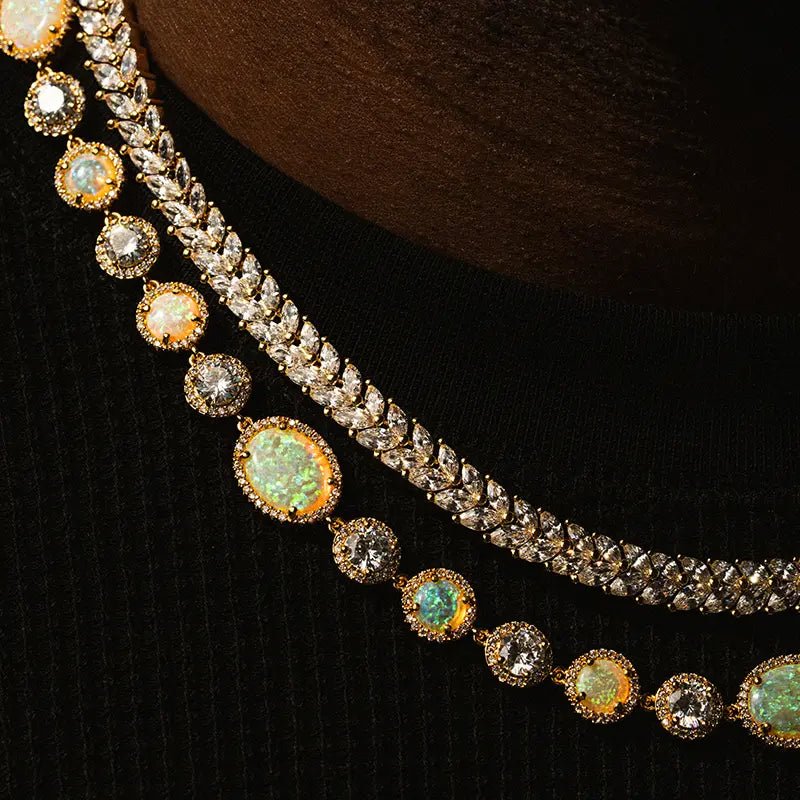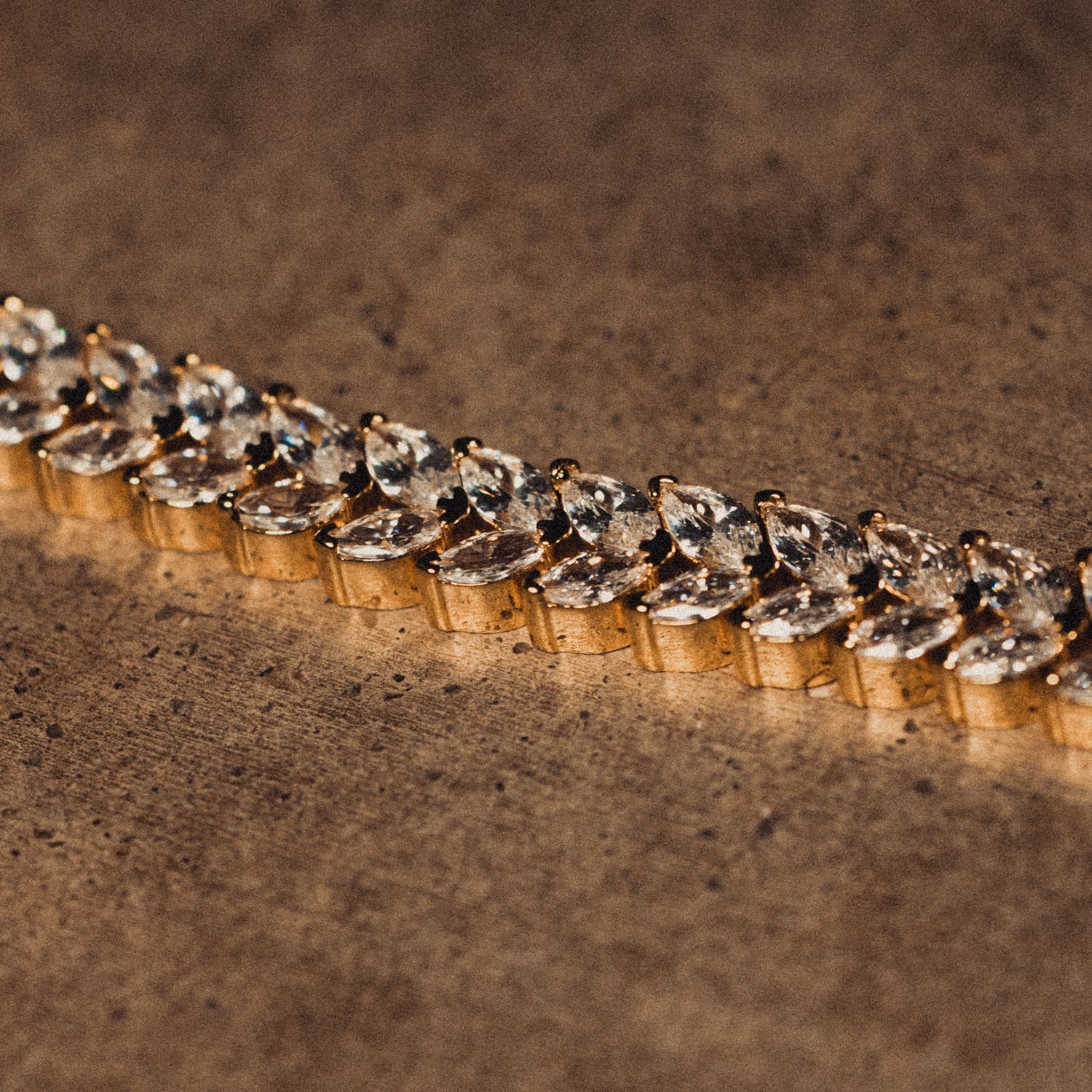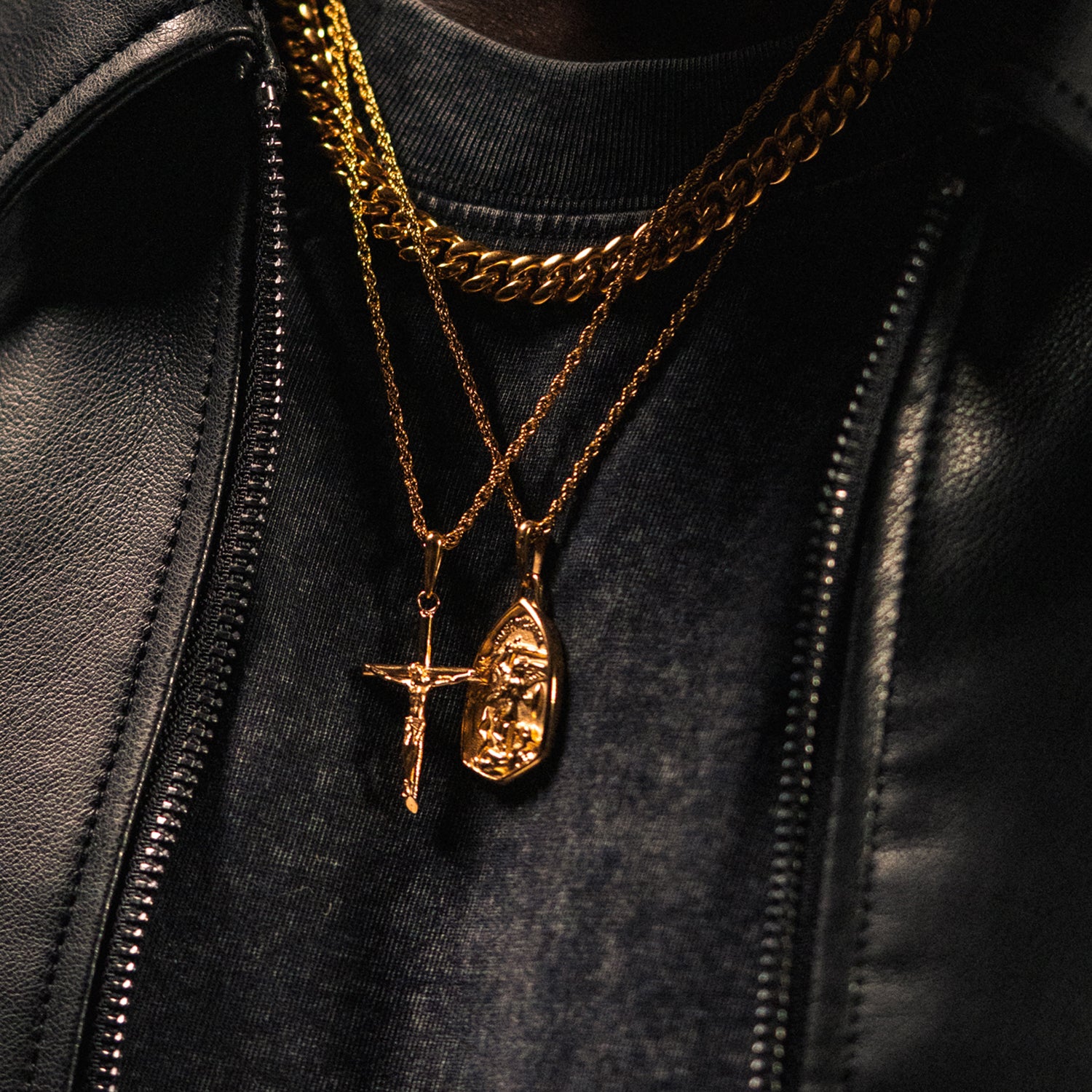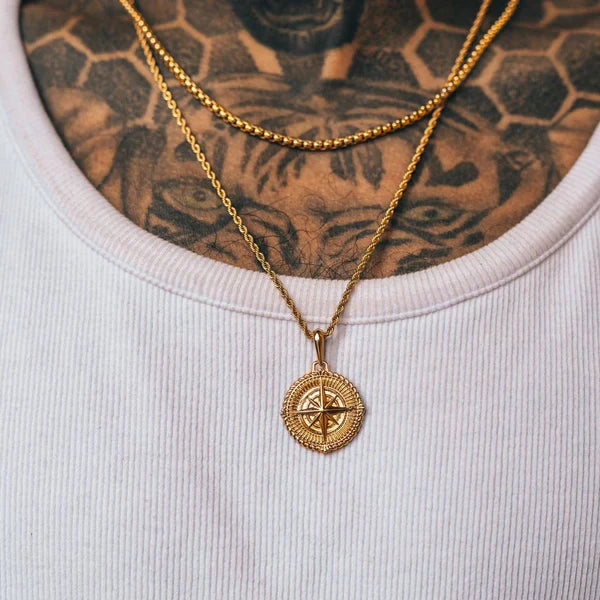
Solutions for Scratched Gold Medallion Surfaces
When you own a men’s gold medallion, even the smallest scratch can be a real eyesore. Over time, daily wear takes its toll. Whether it’s from brushing up against keys, resting on rough surfaces, or just getting knocked around in a drawer, scratches make a once-shiny piece lose its edge. These marks might seem small, but they have a big effect on how the medallion looks and feels.
Nobody wants their favorite accessory looking dull or worn out. Gold medallions are meant to stand out, not blend in. If that piece means something personal or just makes you feel more put together when you wear it, keeping it in good condition matters. This guide breaks down how to spot what kind of scratch you’re dealing with and what the next steps should be. You don’t need a microscope or jeweler’s tools—just your eyes, a little care, and the right know-how.
Identifying the Type of Scratches
Before anything else, take a close look. Not all scratches are the same, and the fix depends on how much damage there is. Some wear is minor and just affects the top finish, while other marks may dig in much deeper.
Here’s a quick breakdown of the common types:
1. Light surface scratches
These happen often. Just rubbing against clothes or setting the medallion down on a table can create them. They’re shallow and usually just dull the shine.
2. Deeper nicks or gouges
These feel rougher to the touch. You might even catch your fingernail in one. Harder contact, like hitting keys or zippers, can cause these.
3. Scuffs or abrasion marks
These cover wider areas instead of creating just one line. They often show up after lots of rubbing or knocking around with other jewelry in storage.
Take a few steps to understand the damage:
- Use natural daylight or bright white light to examine the medallion.
- Tilt it in different directions to pick up light reflections on scratches.
- Lightly run your finger or nail across the surface to feel how deep the marks are.
Knowing the type of scratch helps you decide how to treat it. If it’s deep or involves details like engraving, a jeweler may be the best option.
Gentle Cleaning Methods For Surface Scratches
When your medallion only has light scratches, a gentle cleaning routine might be all it needs to restore some shine. Don't go at it too hard—gold can be scratched again easily if you’re not careful.
Here’s what you need:
- A clean microfiber or jewelry cloth
- A bowl of warm water with a small drop of mild soap
- A soft brush (like a baby toothbrush or artist paintbrush)
Step-by-step directions:
1. Rinse the medallion under warm water first to get rid of any loose dirt.
2. Mix mild soap into the water and dip the brush in.
3. Very gently brush the medallion, staying relaxed with your touch.
4. Pay close attention to the scratched spots, but don’t scrub.
5. Rinse off all the soap and dry with the microfiber cloth by lightly dabbing.
Buff gently with the cloth if you’d like more shine, but do not scrub. If the scratch is shallow, you might be surprised by how much better it can look after just a soft cleaning. Always test one small area first.
Polishing Techniques for Deeper Scratches
When the scratches go deeper or change how the light reflects off the surface, a simple cleaning isn’t going to be enough. That’s where some light polishing comes in.
Here’s your starter kit:
- Polishing cloth meant for gold
- Jeweler’s rouge or a paste made for polishing gold
- Gloves to avoid transferring oils from your skin
- Bright lighting and a clean flat working area
To begin:
1. Apply a small amount of polish or rouge to one side of the cloth.
2. Rub in a gentle, single-direction motion across the scratch.
3. Avoid swirling or huge pressure; that can cause uneven shine or more damage.
4. Work slowly and use a clean section of the cloth to wipe polish off as you go.
5. Review your progress in the light between polishing strokes.
If a scratch stays visible after some careful polishing, it could be too deep for home treatment. For areas near engraving or tiny detail work, don’t try to force polish into every spot. Use a toothpick with soft cloth wrapped around it to control smaller areas.
It can be tempting to try electric polishing tools, but unless you’ve done this before, it’s risky. Even a slight angle shift or too much pressure can permanently dent or remove detailing.
When To Call In The Pros
Sometimes, the best fix is letting a professional do the job. Some damage goes beyond surface issues and may need pro-level equipment and experience.
Here are signs you should call a jeweler:
- Scratches are carved into engraved or raised areas
- Your medallion feels thinner than it used to, especially around edges
- Polishing at home didn’t seem to help at all
- The piece has gemstones or inlays that could come loose
A professional doesn’t just clean or buff; they might be able to restore the entire finish or reshape faded edges. For older or high-value pieces, it’s worth the peace of mind.
Before handing off your medallion:
- Ask how often they handle gold medallions in particular
- Check if they offer scratch repair, refinishing, or restoration specifically
- Get estimates and ask about turnaround times clearly
Letting skilled hands manage deeper scratches can prevent major mistakes and give the gold a longer lifespan.
Maintenance Tips To Avoid Scratches
Once your medallion is clean and polished, staying scratch-free just takes a little awareness. The day-to-day care makes a difference and helps avoid heavy repairs later.
Practice these habits:
1. Keep the medallion in a soft pouch or lined jewelry box when not wearing it.
2. Don’t wear it when working out or doing anything rough and physical.
3. Wipe it lightly with a clean cloth after wearing to remove skin oils or lotion.
4. Always store it separately so it doesn’t hit other metal pieces.
5. Check it every few months for new marks or build-up and clean it as needed.
If you wear your medallion most days, it’s constantly exposed to contact. Developing a storage habit and remembering to clean it often helps reduce buildup and scratching. Jewelry that looks cared for always stands out.
Consider going to a jeweler once or twice a year. A quick professional check can catch things early—like thinning gold, loosening parts, or forming cracks. Regular touch-ups go a long way, especially for pieces with emotional meaning or a sleek everyday look.
Keeping Your Gold Medallion Pristine
A scratched gold medallion doesn’t have to stay scratched. Taking small steps to clean and protect it keeps the shine strong without having to worry every time you wear it. The sooner you treat wear and tear, the easier it is to fix.
Gold may be soft, but that’s not a bad thing when you know how to care for it. Light scratches clean up easily, and even deeper ones can be addressed with time and care. For anything tough or sentimental, professional repair is always a smart backup.
With the right habits in place and regular check-ins, that piece stays looking its best and keeps turning heads right where it belongs—around your neck.
Keep your style distinct with a timeless men's gold medallion from Hommes Oro that not only captures attention but also complements any outfit. Explore our exclusive collection of pendants that enhance your jewelry game and ensure you truly stand out.