Troubleshooting Problems with Men's Gold Lion Pendants
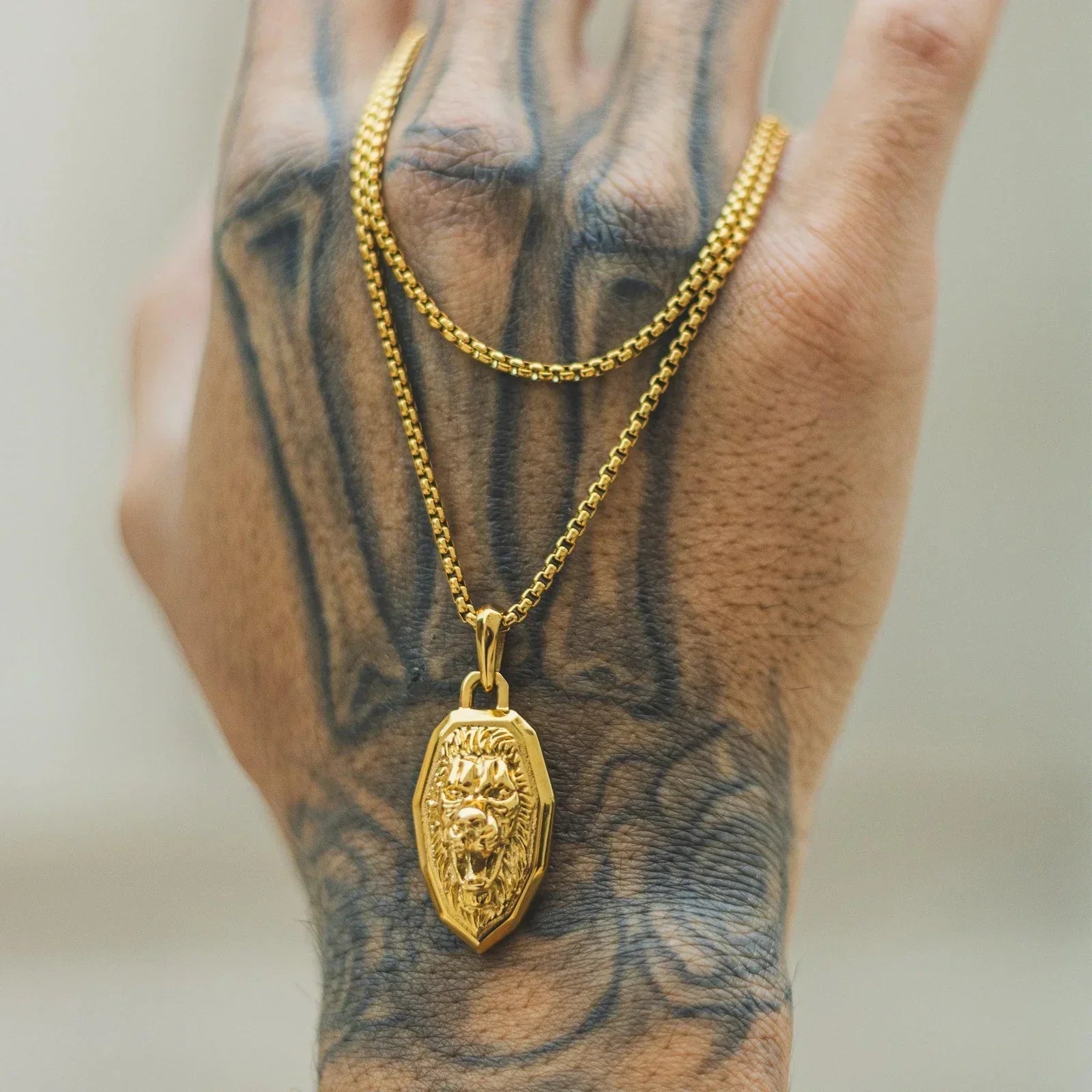
There’s something bold and timeless about wearing a pendant that makes a statement. A men’s gold lion pendant does just that. It carries a sense of strength, pride, and confidence, and it's not surprising that many people use it to complete their everyday style or top off a sharp look for special occasions. Whether it hangs low on a heavier chain or sits closer to the neck, this type of jewelry tends to attract attention, and rightfully so.
But just like with anything that gets regular use, problems can come up. If you’ve had issues with your own gold lion pendant, you’re not alone. It’s not uncommon for wearers to notice things like tangled chains, sticky clasps, or fading shine over time. These setbacks can be frustrating, but they're usually fixable. Knowing what to look out for and how to deal with small problems early on can help you keep your pendant in solid shape for longer.
Common Issues With Men's Gold Lion Pendants
Your pendant might look strong and solid, but like any piece of jewelry, it’s made up of small parts that can wear down or get damaged with regular use. Here are a few common problems you might run into with a men’s gold lion pendant:
- Chain tangling: One of the most annoying things that can happen is waking up or pulling your necklace out of a drawer and finding the chain completely knotted up. This not only makes it hard to wear but can lead to damage if it’s yanked or pulled the wrong way.
- Clasp problems: Whether it's stuck, loose, or not closing correctly, a worn-out clasp can be irritating and risky. If it pops open while you’re out, that’s a fast way to lose your favorite pendant.
- Tarnishing or fading: Even gold pendants can show signs of wear over time. Sweat, product buildup, and just exposure to open air can dull its shine or make it look less impressive.
- Pendant shifting or separating from the chain: If the link that connects the pendant to the chain gets bent or weak, the pendant can start hanging crooked or worse, fall off entirely.
- Surface scratches: Since gold is a soft metal, it’s prone to getting scratched from contact with buttons, zippers, or other jewelry.
A lot of these problems are small at first and easy to overlook. But over time, if ignored, they can turn into bigger hassles like full breakage or loss of the piece.
No one likes discovering their go-to necklace has turned into a tangled mess right before heading out the door. One helpful habit is laying your necklace flat when you're not wearing it, instead of tossing it into a pile. Storing it the same way every time lowers your chances of waking up to a knotted chain.
How To Address Clasp Problems
A faulty clasp might seem like a minor headache, but it affects everything. It’s the part that keeps your pendant securely around your neck. When it doesn’t do its job, you run the risk of the chain falling off without you noticing. That’s the last thing anyone wants, especially if it happens in a crowded place or while you're moving around a lot.
The two most common clasp issues are stiffness and looseness. A stiff clasp makes putting the chain on and taking it off harder than it should be. In some cases, extra buildup like lotion, oils, or dirt might be to blame. On the other hand, a loose clasp might not stay shut, which is a problem if you’re active or just don’t want to keep checking it every ten minutes.
Here’s how to deal with these problems:
1. If the latch sticks or feels stiff, try wiping it gently with a clean, dry cloth. Avoid using liquid cleaners unless you’re sure they’re meant for gold.
2. If it keeps popping open or doesn't latch tightly, it may need adjusting. Sometimes the hook or latch gets slightly bent from years of use.
3. Avoid pulling on the pendant to remove the necklace. Over time, this stresses the clasp more than necessary, making it wear out faster.
4. Don’t rely on magnetic clasps or temporary fix tools. They might work short-term, but they won’t solve the real issue and could even weaken it more.
5. If the clasp isn’t staying shut or feels too fragile, it’s best to have it replaced professionally.
Fixing a clasp isn’t a DIY job unless you have jewelry training. It's much safer to have someone who knows what they’re doing take a look and secure it properly again.
Solutions To Tarnishing and Discoloration
Gold lion pendants often maintain their shine for years, but tarnishing can occur due to everyday wear. Sweat and body oils may contribute, as can the chemicals found in certain soaps and lotions. It's wise to keep these culprits in mind because they slowly eat away at that beautiful luster.
To keep your pendant looking fresh, consider these practical steps:
- Regular Cleaning: Use a soft cloth to gently wipe the pendant daily. It clears off oils and grime that might gradually dull the shine. For a deeper clean, use mild soap with water but ensure it’s thoroughly dried afterward.
- Avoid Harsh Chemicals: Steer clear of strong cleaning agents or alcohol-based products. These can harm the finish, making the pendant lose its gleam faster.
- Storage Tips: When you're not wearing the pendant, store it in a cloth bag or a lined jewelry box. This prevents unwanted contact with air or other metals that could lead to discoloration.
- Mind Your Activities: Take off the pendant if you’re going to the gym or doing tasks that could expose it to abrasion or excessive sweat.
Protecting your pendant from tarnishing not only keeps it looking great but also preserves its sentimental and monetary value. It’s the little things, like wiping it down frequently or avoiding chemicals, that make the most difference over time.
Chain and Pendant Maintenance Tips
Sticking to a consistent maintenance routine is your best bet to keep chains and pendants in excellent condition. Here's how to do that with little effort:
1. Weekly Checks: Spend a few minutes checking for any weak spots or possible breaks. A little tug can give you a good idea of how secure everything remains.
2. Secure Fastening: Regularly ensure the clasp is tight and not at risk of opening on its own. A clasp that's steady means you don't have to worry about your pendant taking a tumble.
3. Gentle Handling: Avoid pulling or yanking the chain. Fast turns or snags can cause bends, leading to breakage over time.
4. Choose Products with Care: Only polish your pendant with products intended for gold. Anything made for other metals could end up causing scratches or discoloration.
5. Visit Professionals: Every so often, take your jewelry to a jeweler for a professional clean and inspection. This can catch problems before they become serious issues.
Adding these steps to your routine doesn’t take much time but goes a long way in preserving your piece’s elegance and durability.
Keeping Your Men's Gold Lion Pendant In Top Condition
There's no denying that a gold lion pendant is a striking piece. But keeping it in top shape requires some care and regular attention. Remember, it’s easier to prevent issues than to fix them after they arise. By addressing minor details like tightening loose clasps, doing regular cleaning sessions, and making smart storage choices, you help your pendant shine ever so brightly.
Learning how these small steps can extend the life of your jewelry ensures that you maintain its beauty and significance for years to come. Besides giving you confidence in your day-to-day wear, such care makes the pendant a lasting treasure you or even a loved one might cherish.
In short, treating your pendant with the respect it deserves not only maintains its appearance but also upholds its deeper, personal value. It’s more than just gold and design. It's a symbol that shares a part of your story with the world.
Taking good care of your jewelry will help maintain its charm. If you're ever in need of more tips or are looking for a stunning addition to your collection, explore our range of men's gold lion pendant styles at Hommes Oro. You'll find elegant options that truly make a statement, ensuring your style always shines.